

Key points
For a cold, the sources give a blend to apply to the chest, back and soles of the feet: saro, bay laurel, balsam fir, radiata eucalyptus and ho wood, diluted in hazelnut carrier oil, twice a day for 7 days. It is contraindicated under 12, during pregnancy and breastfeeding, and with asthma, epilepsy or a history of seizures.
Contraindications and precautions
Contraindicated in pregnant or breastfeeding women and in children under 12. Contraindicated in people with asthma, epilepsy or a history of seizures (contains saro and radiata eucalyptus). Risk of severe skin allergy with balsam of Peru and noble laurel. Balsam of Peru must never be applied undiluted, swallowed or used for prolonged periods.
Summary: oil, route, precautions
| Oil | On this page | Oil precautions |
|---|---|---|
| Mandravasarotra (saro) | Outside the recipes |
|
| Bay laurel | Outside the recipes |
|
| Balsam fir |
| |
| Radiata Eucalyptus |
| |
| Ho Wood |
| |
| Balsam of Peru |
|
|
Recipes & Synergies
Recipe 1
For acute infectious rhinitis, to disinfect the nasal passages
Ingredients
- Other ingredient2 mlof Mandravasarotra or Saro EO Cinnamosma fragrans
- Other ingredient1 mlof Noble Laurel EO Laurus nobilis
- Other ingredient2 mlof Balsam Fir EO Abies balsamea
- Other ingredient1 mlof Radiata Eucalyptus EO Eucalyptus radiata
- Other ingredient1 mlof Ho Wood EO Cinnamomum camphora ct linalol
Directions
- For external use, prepare the following blend:
- - Hazelnut carrier oil (Corylus avellana) qs 30 ml
- Apply twice a day on the chest, back, and soles of the feet (from 12 years of age), for 7 days.
Full text
For acute infectious rhinitis, to disinfect the nasal passages
For external use, prepare the following blend:
2 ml of Mandravasarotra or Saro EO (Cinnamosma fragrans)
1 ml of Noble Laurel EO (Laurus nobilis)
2 ml of Balsam Fir EO (Abies balsamea)
1 ml of Radiata Eucalyptus EO (Eucalyptus radiata)
1 ml of Ho Wood EO (Cinnamomum camphora ct linalol)
Hazelnut carrier oil (Corylus avellana) qs 30 ml
Apply twice a day on the chest, back, and soles of the feet (from 12 years of age), for 7 days.
Recipe 2
- Inhalation
Directions
- Prepare inhalations with 1 to 2 drops of Balsam of Peru (Myroxylon balsamum var. pereirae) in a bowl of hot water.
- COMBINE if necessary with herbal teas of thyme (Thymus vulgaris) or black elderberry (Sambucus nigra).
- Drink 3 cups a day for 7 days.
- Optionally, combine them with purple coneflower (Echinacea purpurea), propolis, and vitamin C in the form of dietary supplements.
Full text
Prepare inhalations with 1 to 2 drops of Balsam of Peru (Myroxylon balsamum var. pereirae) in a bowl of hot water.
COMBINE if necessary with herbal teas of thyme (Thymus vulgaris) or black elderberry (Sambucus nigra). Drink 3 cups a day for 7 days. Optionally, combine them with purple coneflower (Echinacea purpurea), propolis, and vitamin C in the form of dietary supplements.
Recipe 3
ADVICE
Directions
- Perform a nasal rinse using a small watering pot called a "lota" (neti pot), filled with lukewarm water mixed with a teaspoon of salt and half a teaspoon of magnesium chloride salt (nigari).
- And protect your intestinal flora by taking a course of probiotics (yeast, Lactobacillus, Bifidobacterium, etc.).
Full text
ADVICE
Perform a nasal rinse using a small watering pot called a "lota" (neti pot), filled with lukewarm water mixed with a teaspoon of salt and half a teaspoon of magnesium chloride salt (nigari). And protect your intestinal flora by taking a course of probiotics (yeast, Lactobacillus, Bifidobacterium, etc.).
Understanding
This is an acute inflammation of the nasal mucosa, causing a runny nose, nasal congestion (stuffy nose sensation), and a sore throat (see Sore throat). There are two forms of rhinitis: acute or chronic. Acute rhinitis, also known as the 'common cold' or coryza, is generally of viral origin and occurs in epidemics. It is often complicated by a secondary infection: the clear, thin discharge becomes yellow and thick, and can lead to sinusitis. Chronic non-allergic rhinitis, unlike its allergic form (see Allergic rhinitis), does not have a well-defined cause, but results from fragility of the nasal mucosa, smoking, air pollution, or the overuse of local vasoconstrictor medications.
Properties to look for
The most common properties among the oils mentioned on this page.
Essential oils mentioned
- Photo: Baillon, Wikimedia Commons, public domain. To learn more, see the Photo credits page.
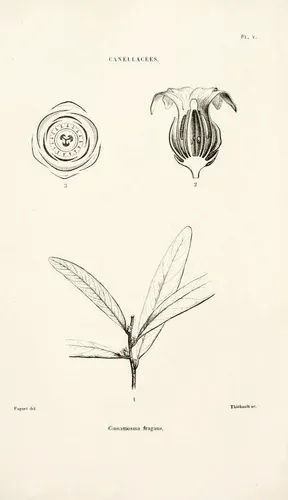 Mandravasarotra (saro)Cinnamosma fragrans
- Photo: Forest and Kim Starr, Wikimedia Commons, CC BY 3.0 us. To learn more, see the Photo credits page.
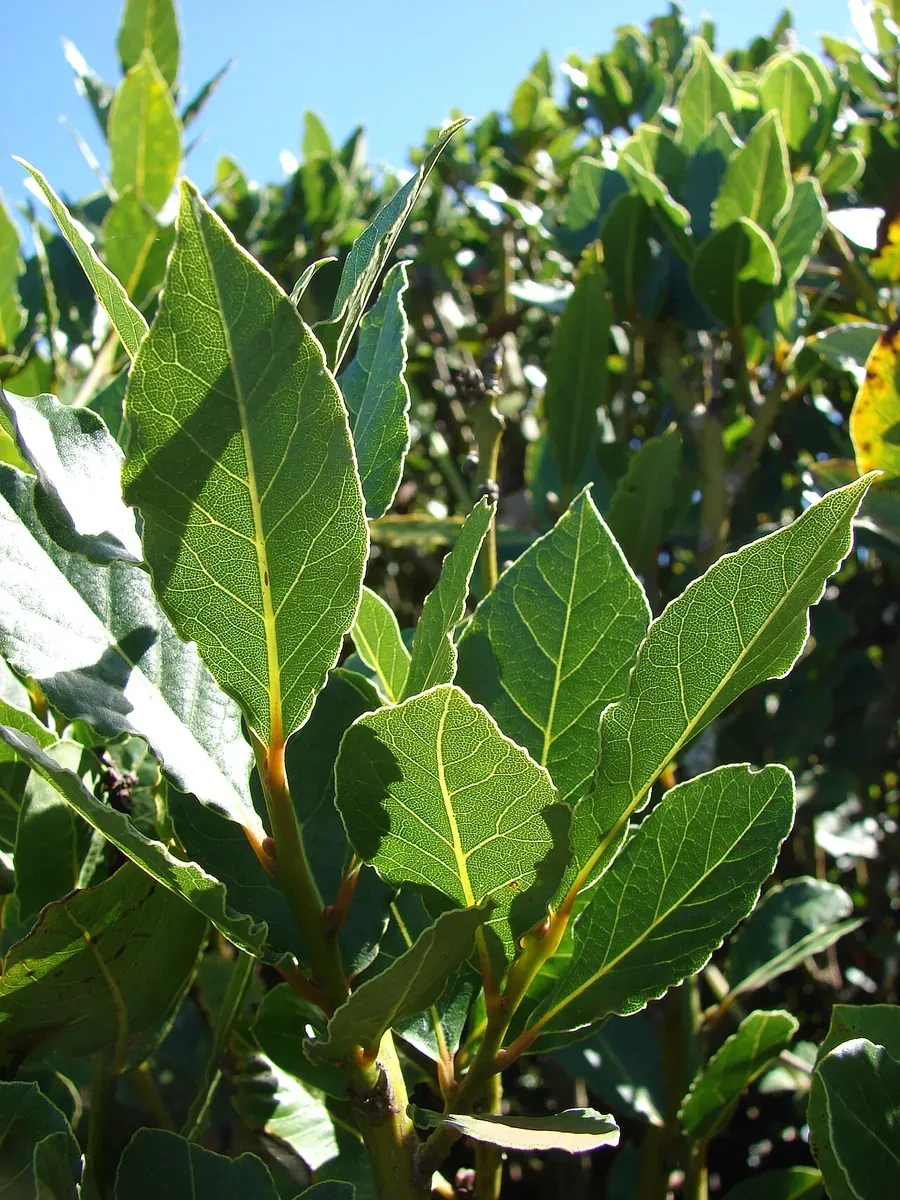 Bay laurelLaurus nobilis
- Photo: U.S. Fish and Wildlife Service, Wikimedia Commons, public domain. To learn more, see the Photo credits page.
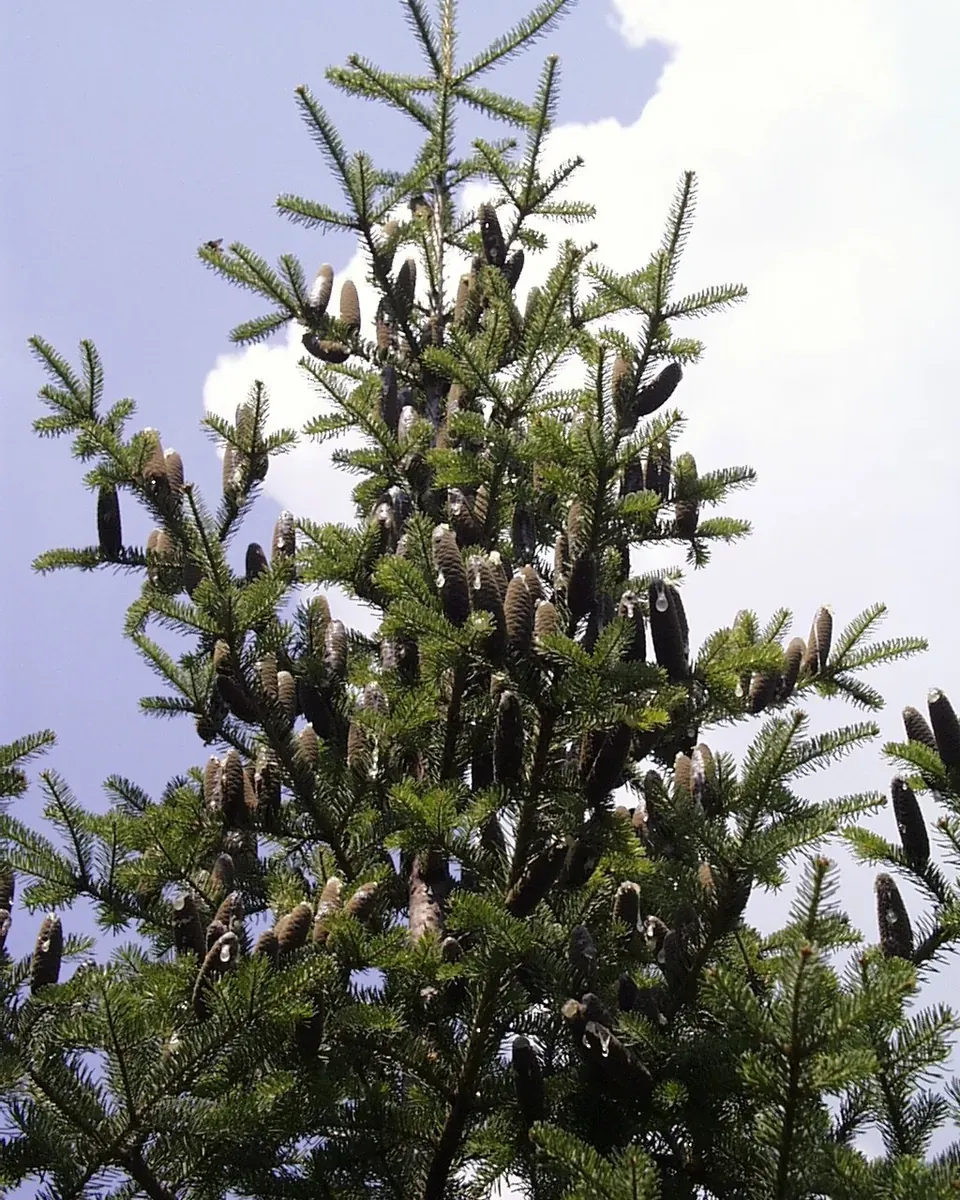 Balsam firAbies balsamea
- Photo: HelloMojo at English Wikipedia (Original text: Photographed at Maranoa Gardens, Melbourne, Victoria, Australia by HelloMojo 08:59, 6 April 2007 (UTC)), Wikimedia Commons, public domain. To learn more, see the Photo credits page.
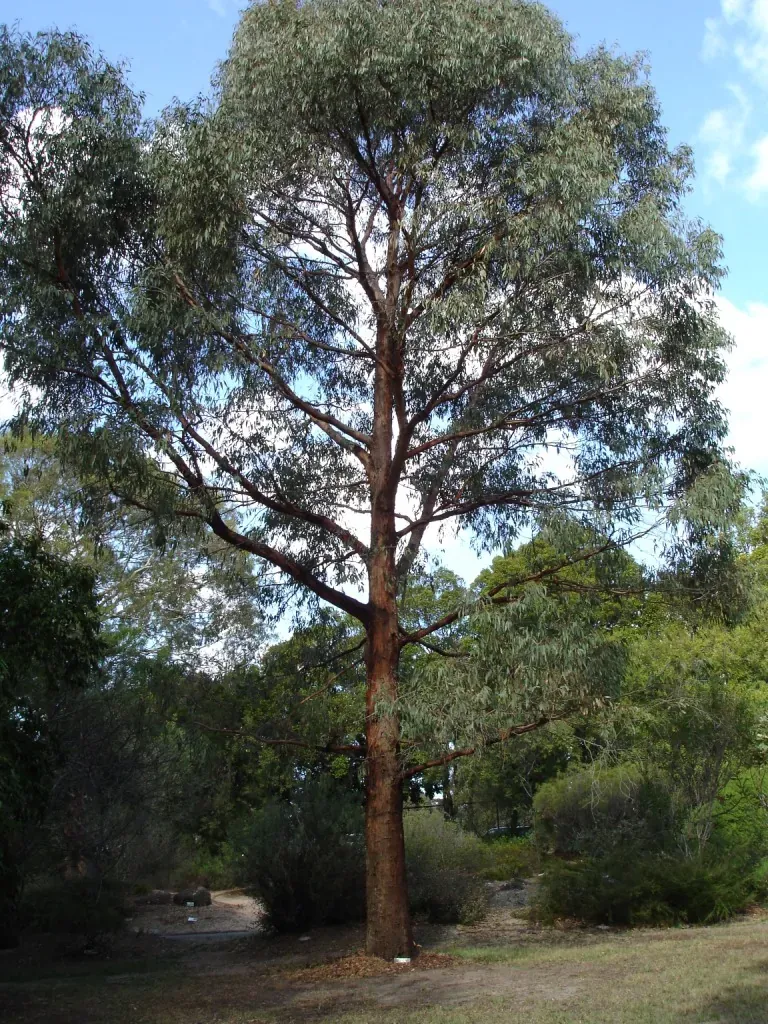 Radiata EucalyptusEucalyptus radiata
- Photo: Krzysztof Ziarnek, Kenraiz, Wikimedia Commons, CC BY-SA 4.0. To learn more, see the Photo credits page.
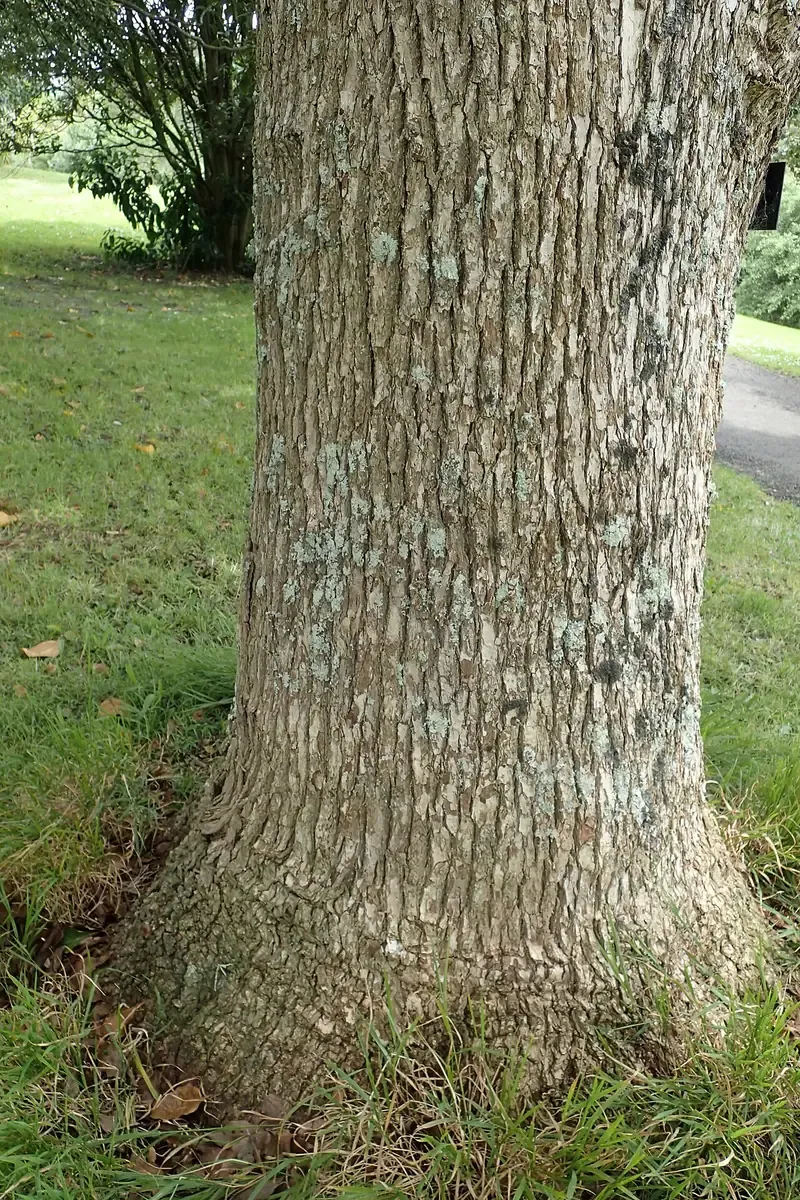 Ho WoodCinnamomum camphora ct linalol
- Photo: David J. Stang, Wikimedia Commons, CC BY-SA 4.0. To learn more, see the Photo credits page.
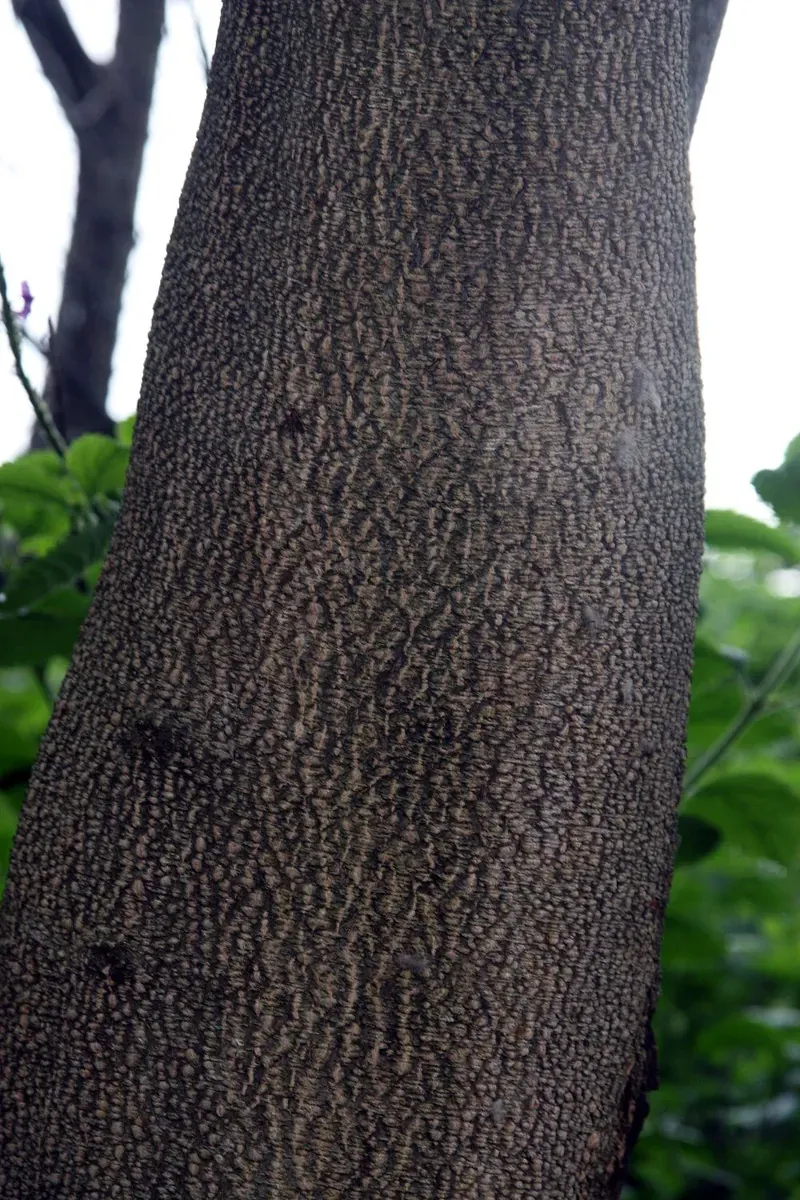 Balsam of PeruMyroxylon balsamum var. pereirae
Frequently asked questions
How do you use essential oils for a cold?
The sources give two steps. First, a blend to disinfect the nasal passages: 2 ml of saro, 1 ml of bay laurel, 2 ml of balsam fir, 1 ml of radiata eucalyptus, 1 ml of ho wood and hazelnut carrier oil up to 30 ml, applied twice a day to the chest, back and soles of the feet for 7 days, from age 12. Second, inhalations: 1 to 2 drops of balsam of Peru in a bowl of hot water. Thyme or black elderberry herbal tea can be added, 3 cups a day for 7 days.
Which other essential oils are used for colds?
The English mint page describes it as a decongestant for the respiratory tract, recommended for colds, rhinitis and sinusitis; it is contraindicated under 7, during pregnancy and breastfeeding, and with epilepsy. For a cold, the Tasmanian blue gum page gives 3 drops in a teaspoon of sweet almond oil on the chest, back, throat or around the ears; avoid it under 6, with asthma, and during pregnancy and breastfeeding. Rosemary with cineole is also indicated for colds; it is not recommended for children, during pregnancy and breastfeeding, or with epilepsy or high blood pressure.
Cold or rhinitis: what's the difference?
A cold is acute rhinitis, also called coryza: an inflammation of the lining of the nose, usually viral. Rhinitis can also be chronic, linked to a fragile nasal lining, smoking, air pollution or the overuse of vasoconstrictor nasal medications, or allergic, which is a separate condition.
Is the cold blend safe for children or during pregnancy?
No. It is contraindicated in children under 12, during pregnancy and breastfeeding, and in people with asthma, epilepsy or a history of seizures, because of the saro and the radiata eucalyptus. Balsam of Peru and bay laurel carry a risk of severe skin allergy.
How do you use balsam of Peru safely?
Only as an inhalation, 1 to 2 drops in a bowl of hot water. It must never be applied undiluted, swallowed or used for long periods, and its own page advises against it for children under 12.
How do you clear a stuffy nose without essential oils?
The sources advise a nasal rinse with a small watering pot called a lota, or neti pot, filled with lukewarm water, a teaspoon of salt and half a teaspoon of magnesium chloride (nigari). If the discharge turns yellow and thick, a possible sign of a secondary infection or sinusitis, ask a doctor.