

Key points
Neroli oil is the essential oil of the flowers of the bitter orange tree (Citrus aurantium ssp. amara); petitgrain comes from its leaves, and a third oil from its zest. Neroli is described as a nervous rebalancer, petitgrain as a powerful relaxant for anxiety and insomnia. They are contraindicated during pregnancy and are not for children under 3.
Overview
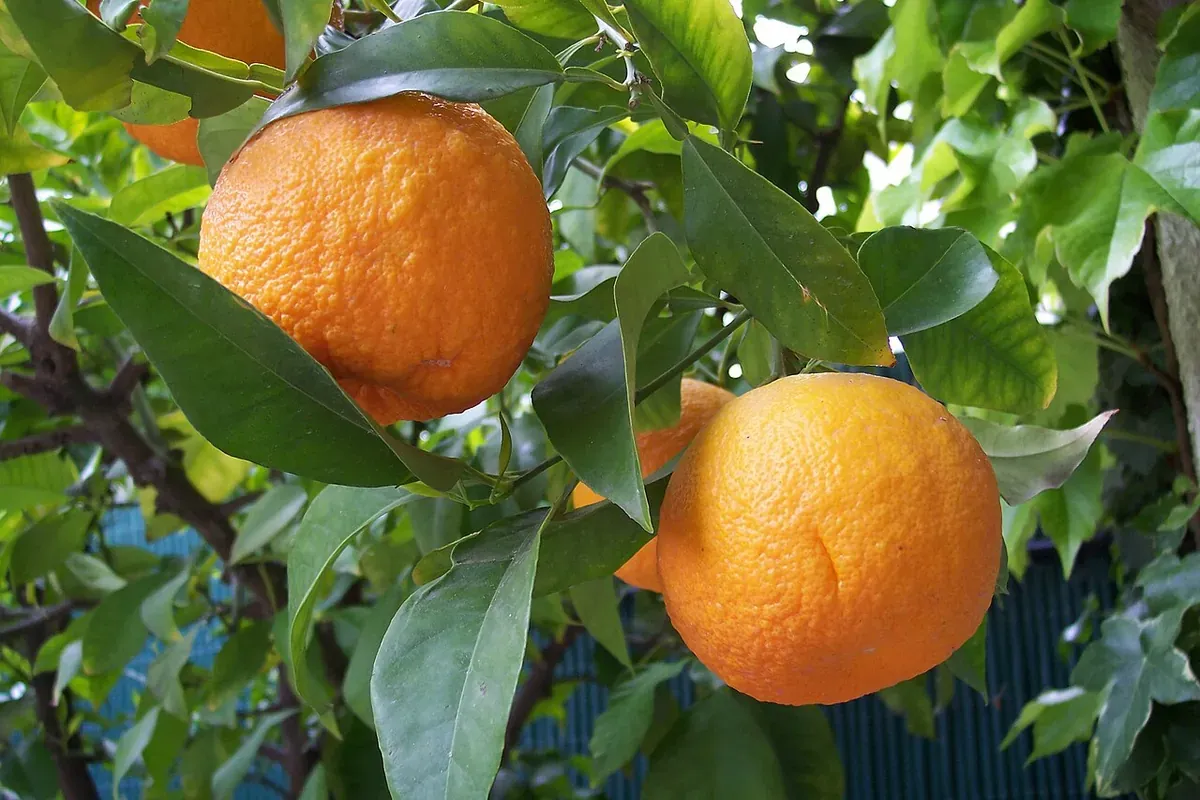
This is actually the bitter orange tree, from which the flower, leaf, and zest yield 3 different essential oils. The essential oil from the leaves (or petitgrain bigarade), like that of the zest, is highly soothing. The one from the flowers, called neroli, is even antidepressant.
Benefits
The zest essential oil is soothing, but it is also a digestive tonic that reduces bloating and flatulence caused by dyspepsia or aerophagia. It stimulates venous circulation. Also calming and sedative, it is effective against compulsive tics.
Petitgrain bigarade essential oil is anti-inflammatory (hence its benefit against rheumatism), skin anti-infective (useful for infected acne or boils), and a respiratory antiseptic, but above all, it is a remarkable antispasmodic and powerful relaxant. It regulates the autonomic nervous system (notably heart rate) and is recommended for anxiety, insomnia, or nervous exhaustion. It is also indicated for chronic liver disorders (hepatism).
Neroli (flower) essential oil is a digestive tonic, also indicated in cases of hepatism. But above all, it is a nervous rebalancer and an antidepressant, recommended for insomnia or psychic exhaustion. It also acts on spasmodic colitis of nervous origin, and as an anti-infective for bronchitis or ear infections. Finally, it is a skin tonic and, in particular, a skin antiseptic for acne.
Properties
How to use bitter orange: neroli and petitgrain essential oil
By mouth, internal use
Internal use
Full text
Swallow 2 drops 3 times a day between meals on a carrier (honey, olive oil, almond butter, breadcrumbs...) for 7 days, particularly for sleep problems.
On the skin, external use
External use
Full text
Apply 1 to 2 drops neat of one of the essential oils onto the solar plexus and the inside of the wrists. In case of emotional shock or stress, apply 1 drop of neroli essential oil onto the tongue or in the crease of the elbows.
Possible combinations
With other soothing EOs such as basil (Ocimum basilicum), ylang-ylang (Cananga odorata), frankincense (Boswellia carterii), and Roman chamomile (Anthemis nobilis). They can be mixed in equal parts at 20% in a massage oil, such as jojoba oil (Simmondsia chinensis), for example.
Bitter orange: neroli and petitgrain essential oil contraindications
Medical consultation recommended
It is contraindicated during pregnancy. The zest essential oil is photosensitizing: strictly avoid sun exposure after applying it locally or ingesting it. To be safe, also avoid the sun after local application of petitgrain or neroli essential oil. As a precaution, do not use it on children under 3 years of age.
Other use
Neroli floral water, or orange blossom water, flavors pastries and promotes sleep in young children (sprayed on the chest in case of restlessness or nervousness).
Related concerns
The plant and its history
A tree native to Southeast Asia, with light green leaves and fragrant flowers, the bitter orange tree was introduced to Europe as early as the 11th century. Buds, open flowers, and fruits are often present simultaneously on the same tree. It was first distilled in the 16th century in Italy. It was the Princess of Ursins, Marie-Anne de La Trémoille, who gave it its name. Today, it is cultivated all around the Mediterranean basin and in tropical zones.
Profile
| Distilled parts | Leaves and flowers by distillation, zest by expression |
|---|---|
| Producing countries | Southern Europe, North Africa (Egypt, Morocco, Tunisia), Paraguay |
| Color | Zest EO: yellow Peditgrain EO: pale yellow Neroli EO: pale yellow |
| Smell | Zest EO: slightly tangy, typical of citrus Petitgrain EO: floral touch Neroli EO: flowery, sweet |
| Price range | Zest EO: € Petitgrain EO: € Neroli EO: €€€ |
| Active ingredients | Zest: monoterpenes (limonene > 90%, myrcene), esters, aldehydes, furocoumarins Petitgrain (leaves): esters (linalyl acetate 50%, geranyl), monoterpenols (linalool 20-30%, geraniol, a-terpineol, nerol), monoterpenes (myrcene...) Neroli (flowers): monoterpenols (linalool 30%, a-terpineol, geraniol), sesquiterpene alcohols (trans-nerolidol), monoterpenes (limonene, b-pinene...), esters (linalyl acetate), aldehydes |
Frequently asked questions
Neroli or petitgrain: what is the difference?
Both come from the bitter orange tree, also called Seville orange: neroli is distilled from the flowers, petitgrain from the leaves, and a third oil is pressed from the zest. Petitgrain is recommended for anxiety, insomnia or nervous exhaustion; neroli is described as a nervous rebalancer and an antidepressant, recommended for insomnia or psychic exhaustion. Neroli is also much more expensive.
What are the benefits of neroli essential oil?
Its page describes it as a digestive tonic and, above all, a nervous rebalancer, recommended for insomnia or psychic exhaustion. It also acts on spasmodic colitis of nervous origin, and on the skin as a tonic and antiseptic for acne. In case of emotional shock or stress, apply 1 drop of neroli to the tongue or in the crease of the elbows.
What is petitgrain essential oil used for?
It is a remarkable antispasmodic and a powerful relaxant. It regulates the autonomic nervous system, notably the heart rate, and is recommended for anxiety, insomnia or nervous exhaustion. It is also anti-inflammatory and a skin anti-infective, for infected acne or boils. The marjoram page counts it among the oils highly active on the sympathetic nervous system.
How do you use neroli or petitgrain for sleep?
Apply 1 to 2 neat drops of one of the oils to the solar plexus and the inside of the wrists. By mouth, its page gives 2 drops 3 times a day between meals on a carrier (honey, olive oil, almond butter, breadcrumb) for 7 days, particularly for sleep problems, never during pregnancy. For young children, it mentions neroli floral water (orange blossom water), sprayed on the chest in case of restlessness or nervousness.
How do you blend petitgrain or neroli in a massage oil?
Mix them in equal parts with other soothing oils, such as ylang-ylang, basil, frankincense or noble chamomile, at 20% in a massage oil, jojoba oil for example.
Who should avoid bitter orange essential oils?
They are contraindicated during pregnancy and, as a precaution, should not be used on children under 3. The zest oil is photosensitizing: strictly avoid the sun after applying it to the skin or swallowing it. To be safe, also avoid the sun after applying petitgrain or neroli to the skin. If in doubt, ask a doctor or pharmacist.